Page 2 - Abhijit Mutha

  1. When Renting a Smartphone Can Beat Renting a Camera

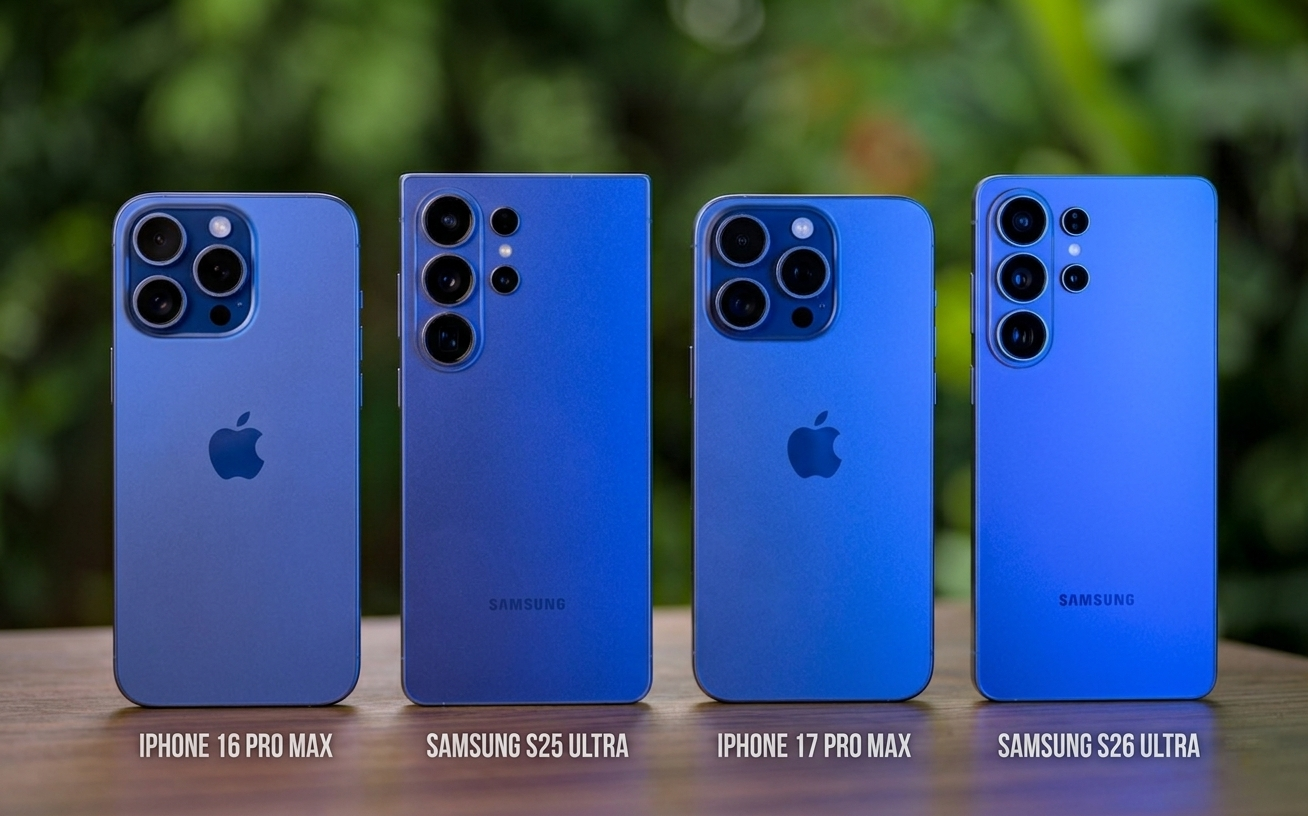
    Samsung Galaxy S26 Ultra rented for travel photography in Pune and Mumbai
    Why Renting a Smartphone Can Beat Renting a Camera | Primes & Zooms Blog

    Smartphones have been getting steadily better to the point where we now get this question very often: "Should I rent a phone or a dedicated camera for this shoot?"

    The honest answer is: it depends on the job. But there are more situations than most people realise where a flagship smartphone is the smarter rental; not a compromise, a deliberate choice.

    Here's when and why.

    The Cost Difference Is Real

    A mirrorless camera rental — body only — runs from roughly ₹600 to ₹3,000 per day depending on the body. Add a versatile zoom lens, and you're easily at ₹1,500–₹5,000 per day before you've packed a bag. You also need memory cards, a case, possibly a tripod, and time to set everything up.

    A flagship smartphone rental at Primes
    Read more »
  2. Samsung Galaxy S26 Ultra Is Now Available to Rent at Primes & Zooms

    Samsung Galaxy S26 Ultra Is Now Available to Rent at Primes & Zooms
    Samsung Galaxy S26 Ultra Is Now Available to Rent at Primes & Zooms

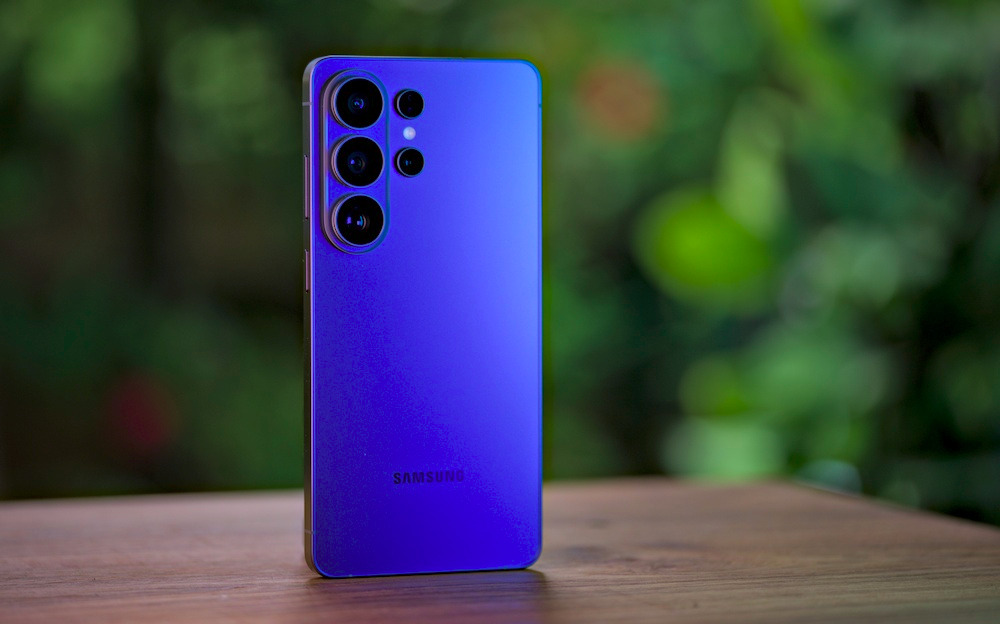
    We've added the Samsung Galaxy S26 Ultra to our rental inventory at Primes & Zooms. If you've been curious about shooting with it on an upcoming project — without committing to the purchase price — now's your chance.

    From ₹700 per day
    For rentals of 9 days or more. See sidebar for full pricing tiers.

    Key Specs

    SpecDetail
    Display6.9-inch Dynamic AMOLED 2X, QHD+, 120Hz
    ProcessorSnapdragon 8 Elite Gen 5 for Galaxy
    Main Camera200MP, f/1.4 aperture, quad-camera array
    Battery5,000 mAh, 65W wired charging (0→75% in ~30 min)
    BuildGorilla Glass Armor 2, IP68, Armor Aluminum frame
    S PenIncluded
    OSOne UI 8.5 based on Android 16

    What It's Good For

    The main sensor is 200MP with an f/1.4 aperture — a meaningfully wider opening than most smartphone cameras at this level. That translates to cleaner shots in low light and more flexibility to crop without losing detail. The quad-camera array covers a versatile range of focal lengths

    Read more »
  3. Medium Format comes to Primes & Zooms!

    Medium Format comes to Primes & Zooms!


    The Fujifilm G Mount is our very first medium format camera system! Medium format cameras carry a sensor that is larger than 35mm full-frame camerras. Thus these cameras are traditionally bigger in size, with larger mounts and therefore larger lenses. Some high-end medium format cameras are quite impossible to shoot with handheld. Fujifilm, however, have come out with a portable range of cameras under the GFX range. 

    The GFX 100S carries a 102 MP sensor and is capable, among other things, of a 5 fps burst and 4K60p video. Its sibling, the GFX 50S II carries a 51MP sensor and can shoot 3 fps bursts and FHD30p video. Both these cameras are now available to rent at P&Z. We have also added a group of 4 lenses in the first phase, covering focal lengths from the wide end to the short telephoto end. You can browse the full range of cameras and lenses we have added here: https://primesandzooms.com/photo/medium-format.html. Do let me know if you have suggestions for more medium format gear that

    Read more »
  4. The Most Rented Gear of 2021

    The Most Rented Gear of 2021
    Here is our (mostly) annual list of the most popular gear at Primes & Zooms, compiled for the year 2021!
    Read more »
  5. Sony Alpha Autofocus Tips and Tricks

    Sony Alpha AUtofocus Tips and Tricks

    In the third video of this series, Ram Balmur takes a look at one of the oldest full-frame mirrorless systems, the Sony Alpha series of cameras, currently encompassing bodies such as the Sony A7R Mk III, A7R Mk IV, A7 Mk III, A1 and A9 Mk II bodies. Ram discusses the benefits of using a Sony Alpha system, particularly on account of this system being around for a longer period of time.

    Read more »
  6. The Most Popular Gear of 2019

    The Most Popular Gear of 2019

    As we enter 2020, we have once again drawn up a list of the most rented gear of 2019. Before I get to the numbers, the usual disclaimer: this is just data. This list only shows what was the most popular gear in 2019, among the customers we served. Other than the information that this gear went out the maximum number of days, this list does not offer any additional meaningful insight. It is certainly not a reflection on the quality of any particular gear. This data also does not reflect emerging trends because the sheer numbers of copies of older equipment crowd out newer equipment until it achieves critical mass (which explains why you do not see too much mirrorless gear here yet).

    The lists below are ranked in the order of the number of days each item went out during the year across all its copies. Figures in brackets indicate the position of the item in the Most Popular Gear of 2018 list.

    Read more »
  7. Selecting A Beginner’s Kit

    Selecting A Beginner’s Kit

    If you are new to photography or just migrating from a cellphone or compact camera to a DSLR camera, these pointers can help you select the right kit for starting out:

    The Budget:

    Photography is an extremely expensive hobby and there really is no end to the amount of money you can spend on gear and still wish for something better! This makes it very important to set a budget for yourself so that you do not get carried away. As of 2019, a good starter budget should be in the range of Rs 35,000 – Rs 60,000 for a camera body and one or two lenses. It is best not to buy too much equipment before you get a good idea of what you will be shooting. We strongly recommend that you rent from Primes & Zooms (P&Z) and try the equipment before buying it.

    The Camera System:

    The first question you will be faced with is which body to buy. However, it makes sense to take a step back and think of which system you want to adopt. Much like the choice between Android, Windows and iOS, different camera systems

    Read more »
  8. DSLR vs Mirrorless

    DSLR vs Mirrorless


    The Panasonic Lumix GH5s is a Micro 4/3 Mirrorless Camera specially designed for video
    Mirrorless cameras have been around for a while now but there is still a lot of confusion around the actual benefits of mirrorless cameras like the Canon EOS R and Nikon Z7 over traditional DSLRs like the Canon EOS 5D Mark IV and Nikon D850. This post talks about a few points you must consider if you are not sure which is better for you.

    The Myths:

    DSLR vs Mirrorless is currently one of the hottest topics of debate in the photography community. There is a lot of buzz around how mirrorless cameras are the latest tech and will render DSLRs obsolete in no time. However the fact is that, mirrorless cameras are now more than a decade old. Both Canon and Nikon were selling mirrorless cameras for the last few years. The only thing that has changed in the last year is that both OEMs launched their full-frame mirrorless cameras to compete with Sony’s A7 line-ups.

    You may also have heard the switch to mirrorless

    Read more »
  9. 5 Lens Alternatives to the 70-200mm

    5 Lens Alternatives to the 70-200mm

    The 70-200mm f/2.8 lens is by far the most popular lens across camera systems, be it Canon, Nikon, Sony or any other system. It is part of the Holy Trinity of lenses: the 16-35, 24-70 and 70-200 but gets a lot more attention than the other two. The Canon and Nikon 70-200 f/2.8 lenses feature on our Top 15 Most Rented Gear for 2018 and one of them tops this list!

    However, there are times when you cannot lay hands on one of these babies and need to look for alternatives. Or sometimes you just need to get out of a creative block by trying something different. Here is a list of 5 lenses that may be able to help you get the job done:

    1. The 70-200mm f/4: If you are not shooting in low light or if your shoot is outdoors and you can control the distance between your subject and the background, this lens is a great substitute for the f/2.8. It is also significantly lighter and cheaper to rent! You just might like this lens a whole lot better than the f/2.8! We have many customers whose first preference

    Read more »
  10. The Sigma 60-600mm Lens

    The Sigma 60-600mm Lens

    Sigma’s 50-500mm, nicknamed the Bigma, was an exciting lens when it was released more than 10 years back. Since then Sigma have released the 150-500, 150-600 Contemporary and 150-600 Sports lenses, all of which have been extremely popular. Sigma recently released the 60-600mm DG OS HSM Sports lens which also seems to be a hit. Most of the reviews of this lens are positive and almost all of our customers who have rented this lens are happy with it. If you are shooting wildlife and don’t mind a lens on the heavier side, the 60-600 is an excellent choice. It is sharp almost across the entire zoom range and focuses fairly fast. The lens comes with a new MO (Manual Override) focus mode that allows you to override focus even in Servo / AF-C mode – something most lenses do not allow you to do. It is built well and at 2700 gms, weighs less than the 150-600mm Sports. This lens is not easy to handhold for long periods of time although the optical stabilisation does a good job of preventing shake.

    Read more »
Page